


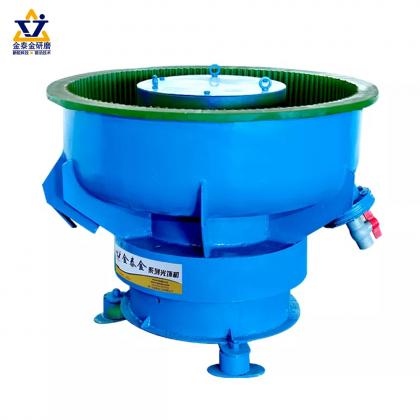


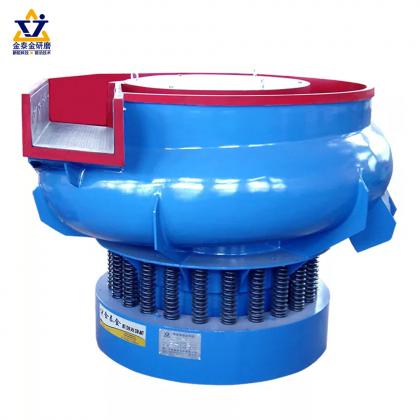
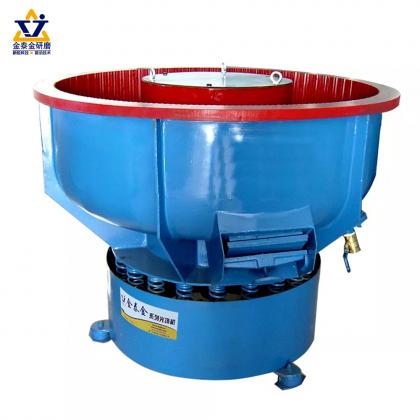


This assembly video shows the wooden barrel polishing machine as a piece of equipment under assembly. Use it to understand the visible barrel, frame and control arrangement before discussing a sample route for your own parts.
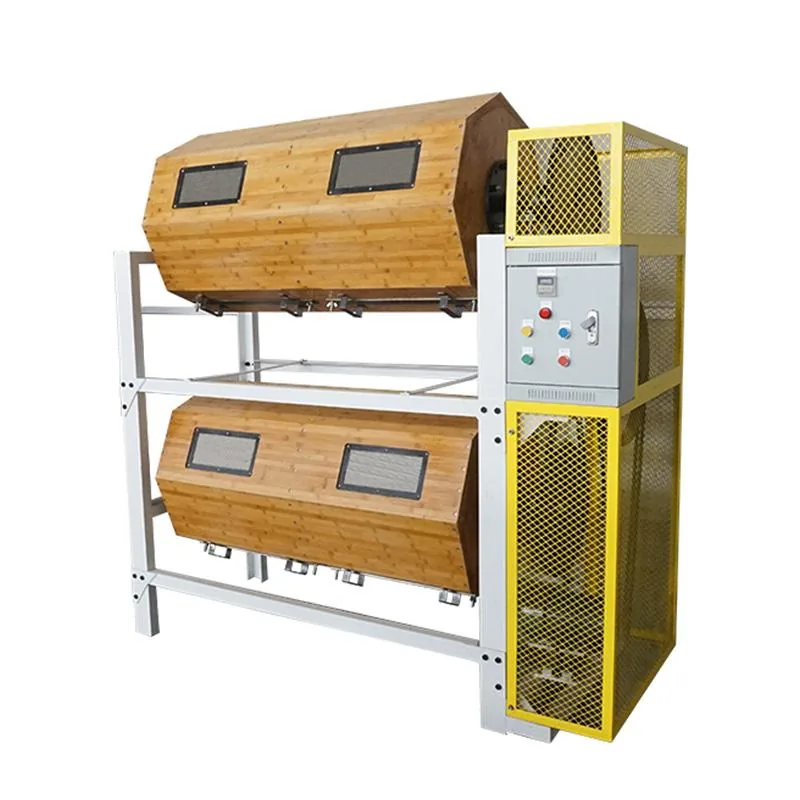
What to review while watching
- how the barrel and supporting frame are arranged
- which loading, unloading and access questions should be confirmed
- whether the part geometry creates contact, nesting or protected-feature risks
- how the trial should record media, loading, cycle control and inspection
Prepare a useful inquiry
Send the material, dimensions, approximate weight, quantity, current surface condition, target appearance and protected features. Add clear photographs and a drawing when available. If a trial is appropriate, agree the representative parts and inspection method before shipment.
Evidence boundary
The assembly view is not a specification sheet and does not prove a finished-surface result, batch capacity, noise level or production guarantee. A workpiece review is required for those decisions.
Discuss your workpiece
| Assembly stage | What matters | Why |
|---|---|---|
| Drum and liner fit | The liner protects the drum and the parts | A poor fit wears unevenly and can mark parts |
| Frame and mounting | The machine must run stably under load | Movement changes the action in the barrel |
| Drive and rotation | Controls the action the parts receive | Speed decides how much work the charge does |
| Barrel sealing | Keeps compound and fines where they belong | Leaks change the process and the working area |
| Loading and unloading | Decides handling time and damage risk | Handling is often where parts are damaged |
| Commissioning checks | Confirm the machine runs as intended | A short check avoids finding problems in production |
Directions to test on a representative sample, not validated results for a specific component.
Why assembly order matters
A barrel polishing machine is a simple machine, but the order in which it is assembled decides how well it will run. Each stage builds on the one before it, and a fault introduced early usually shows up later as an unexplained process problem rather than as an obvious mechanical one.
The drum and liner come first, because the liner is what protects both the drum and the parts. A liner that does not sit evenly will wear unevenly, and uneven wear changes the action the parts receive across the barrel. The frame and mounting come next: a machine that moves under load does not transfer the same energy to the charge, and the effect is a finish that varies from run to run.
The drive and rotation follow, because speed decides how much work the charge does per unit of time. Finally the sealing and the loading arrangement are set, since these decide whether the process stays contained and whether parts can be put in and taken out without being damaged.
Commissioning checks worth doing
Before the machine is used on production parts, run it with media only and observe the charge. Confirm that the media circulates across the whole barrel rather than collecting in one area, that the drum runs without abnormal movement, and that there are no leaks at the seals. Feeding a few scrap parts through a short cycle will show whether the action reaches them evenly.
Record the settings the machine runs at, and the result on the scrap parts. That record becomes the baseline for production: when a later batch comes out differently, the first question is whether anything in the setup has changed. A machine with a recorded baseline is far easier to keep consistent than one whose behaviour has never been written down.
 +86-592-2381506


 サポートされているIPv6ネットワーク
